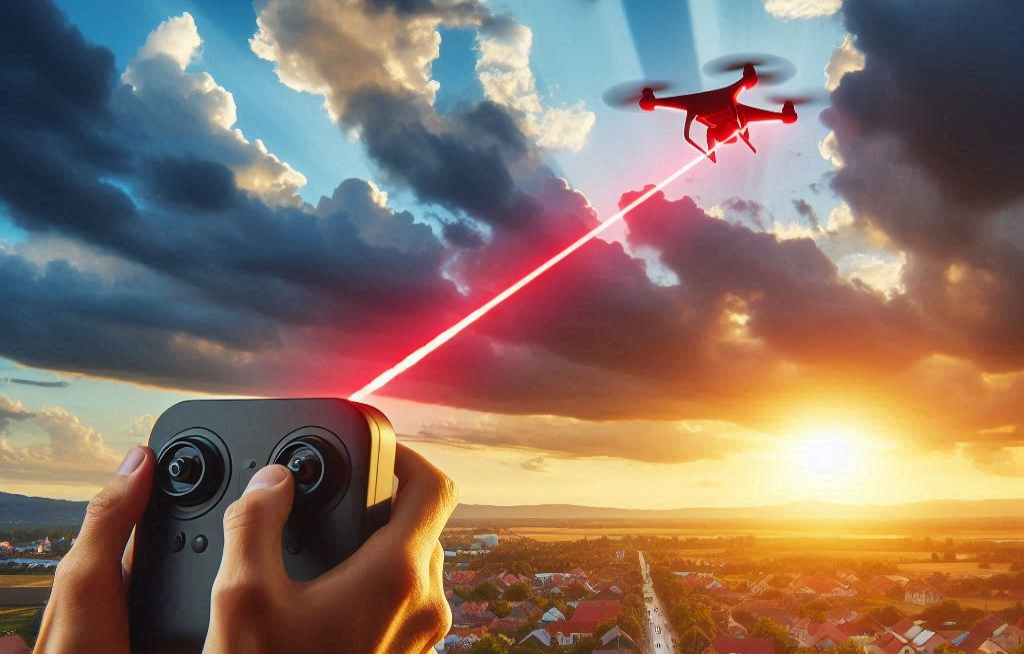
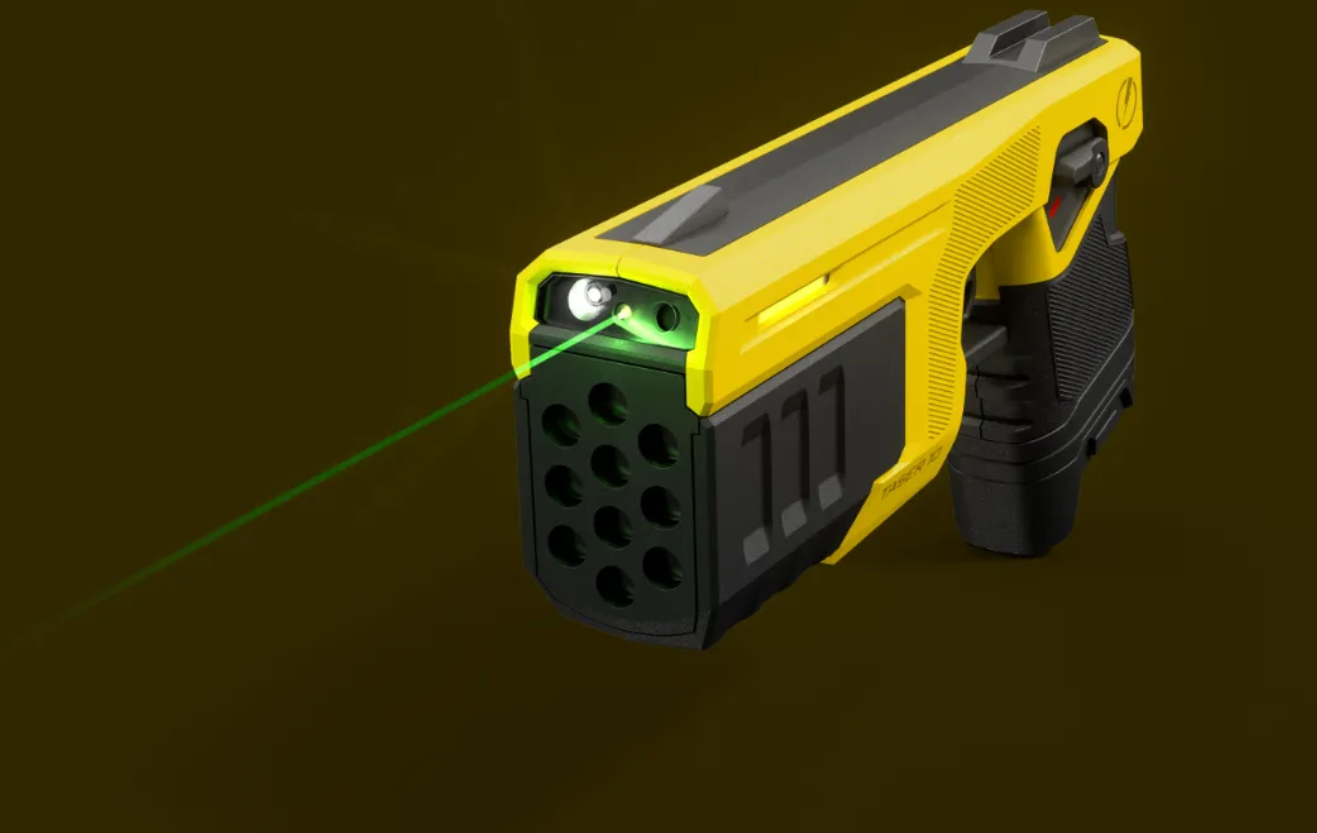
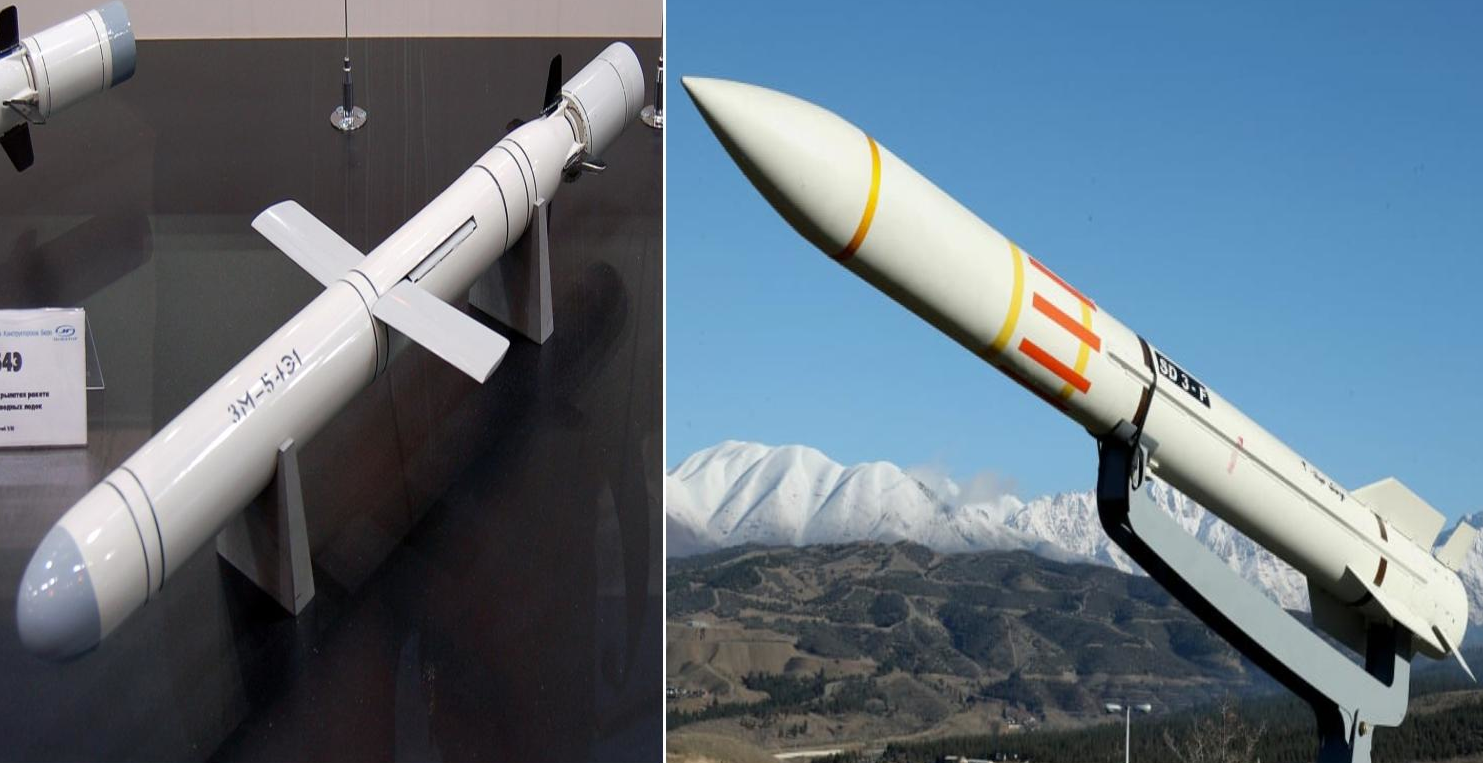
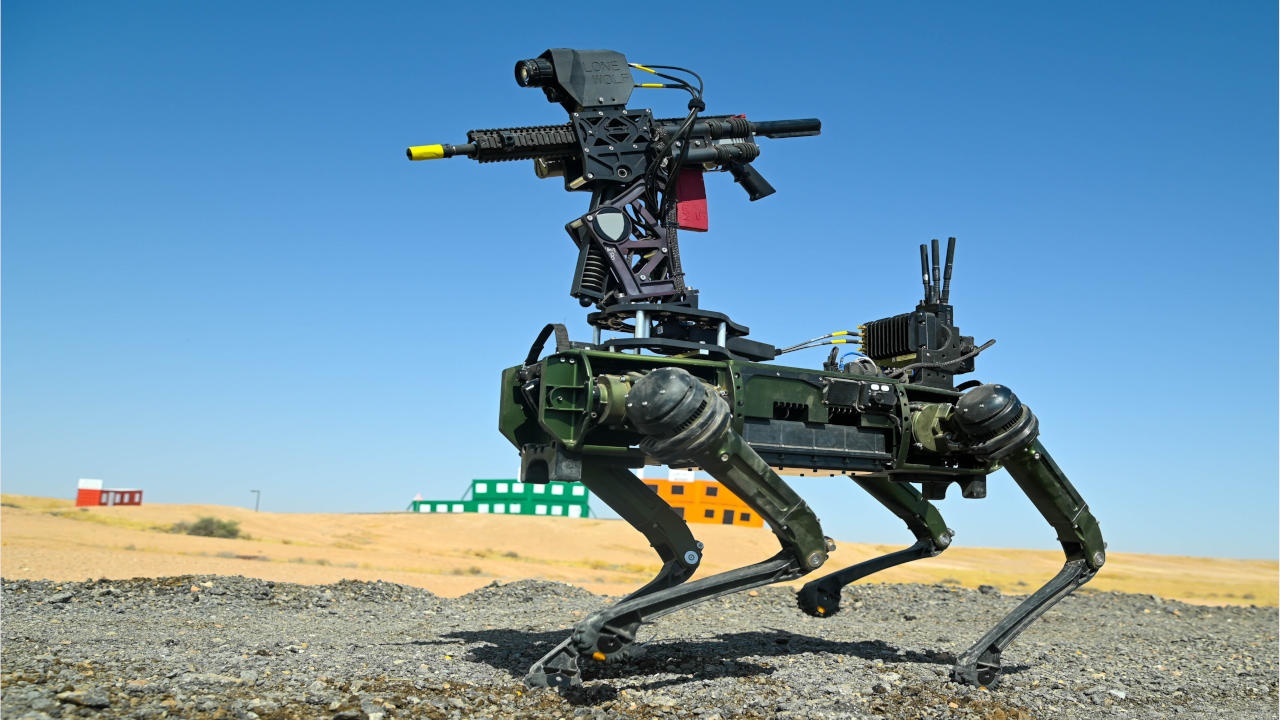
Despite extensive promotion of laser weapons as a low-cost futuristic alternative, battlefield realities and physical limitations confirm that they remain unable to replace conventional defenses (guns and missiles).
The fundamental difference lies in the method of energy delivery. A missile carries an explosive charge that retains its full destructive power whether it strikes a target at one kilometer or ten kilometers. Conversely, a laser beam loses energy and burning capability as distance increases, making its effective lethal range much shorter than many believe.
Limited Lethal Range is the greatest obstacle facing lasers. While light travels vast distances, the "energy density" required to burn a hole through a metal fuselage dissipates rapidly over distance due to atmospheric beam dispersion. Practically, tactical laser systems are effective for destruction only within a very narrow envelope (often not exceeding a few kilometers). This forces operators to wait until the drone approaches a critically dangerous range before it can be intercepted.
In addition to range limitations, conventional weapons maintain superiority due to the following technical reasons:
- The "Time-to-Kill" Dilemma: A laser is not an instantaneous shot; rather, the beam must be locked with millimeter precision onto a sensitive point on the drone for a continuous 3 to 5 seconds to achieve burn-through. During these seconds, and given the short engagement range, a fast suicide drone could cover the remaining distance and strike its target before being destroyed. Conversely, guns destroy threats in a fraction of a second using fragmented shrapnel.
- Environmental Vulnerability: Lasers are strictly "fair-weather weapons." Dust, fog, smoke, and high humidity act as barriers that absorb and scatter beam energy before it reaches the target, severely reducing effective range. This stands in contrast to solid projectiles, which remain unaffected by weather conditions.
- Ineffectiveness Against Swarms: Because a laser must focus on targets sequentially for several seconds each, combined with its short range, it is mathematically incapable of repelling a simultaneous attack by dozens of drones breaching a zone at once.
Based on the factors of "short range" and "long dwell time," the laser remains an ideal complementary solution for slow, close-range reconnaissance targets where low cost is the priority. However, when facing fast attack drones and combat swarms, supremacy belongs to automatic cannons and missiles, which provide instant destructive power and a safe engagement distance.