China Sets Guinness World Record With 116 Autonomous Underwater Robots Operating Simultaneously
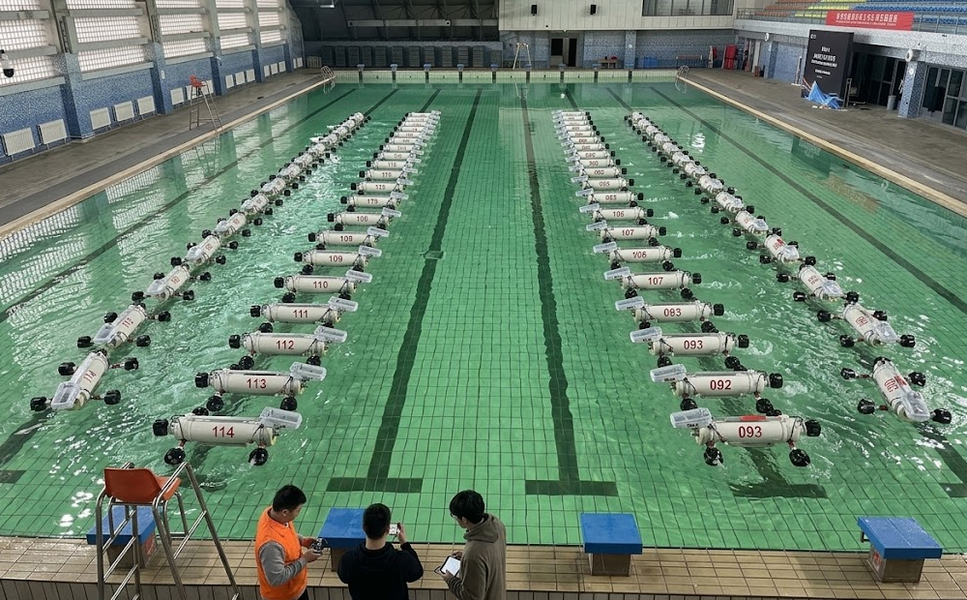
China has set a new Guinness World Record after successfully operating 116 autonomous underwater robots at the same time, establishing a new benchmark for the largest number of autonomous underwater vehicles (AUVs) functioning simultaneously.
During the demonstration, conducted on August 29, 2026, the robots navigated in a coordinated formation for 34 minutes, traveling more than 500 meters (1,640 feet) along a pre-programmed route without any direct human intervention.
The trial was carried out in a controlled swimming pool measuring 50 meters by 20 meters (164 feet by 66 feet), rather than in open water, allowing operators to maintain tightly controlled test conditions. Representatives from Guinness World Records supervised the event before officially certifying and publishing the achievement.
The record was achieved by a team from Northwestern Polytechnical University in collaboration with Xi'an Tianhe Maritime Technologies, a marine equipment and vehicle supplier that operates as a subsidiary of the private defense contractor Xi'an Tianhe Defence Technology.
The vehicles used in the demonstration were TH-618 autonomous underwater robots. Each unit measures 61.5 centimeters (24.2 inches) in length, 20 centimeters (7.9 inches) in width, and 28 centimeters (11 inches) in height, while weighing 5.14 kilograms (11.3 pounds). According to the developers, each robot has an operational range of up to 30 kilometers (18.6 miles) and can remain active for more than eight hours on a single battery charge.
The TH-618 relies on a camera-based vision system that enables autonomous navigation and allows the vehicle to automatically adjust its course when encountering disturbances or deviations from its assigned path.
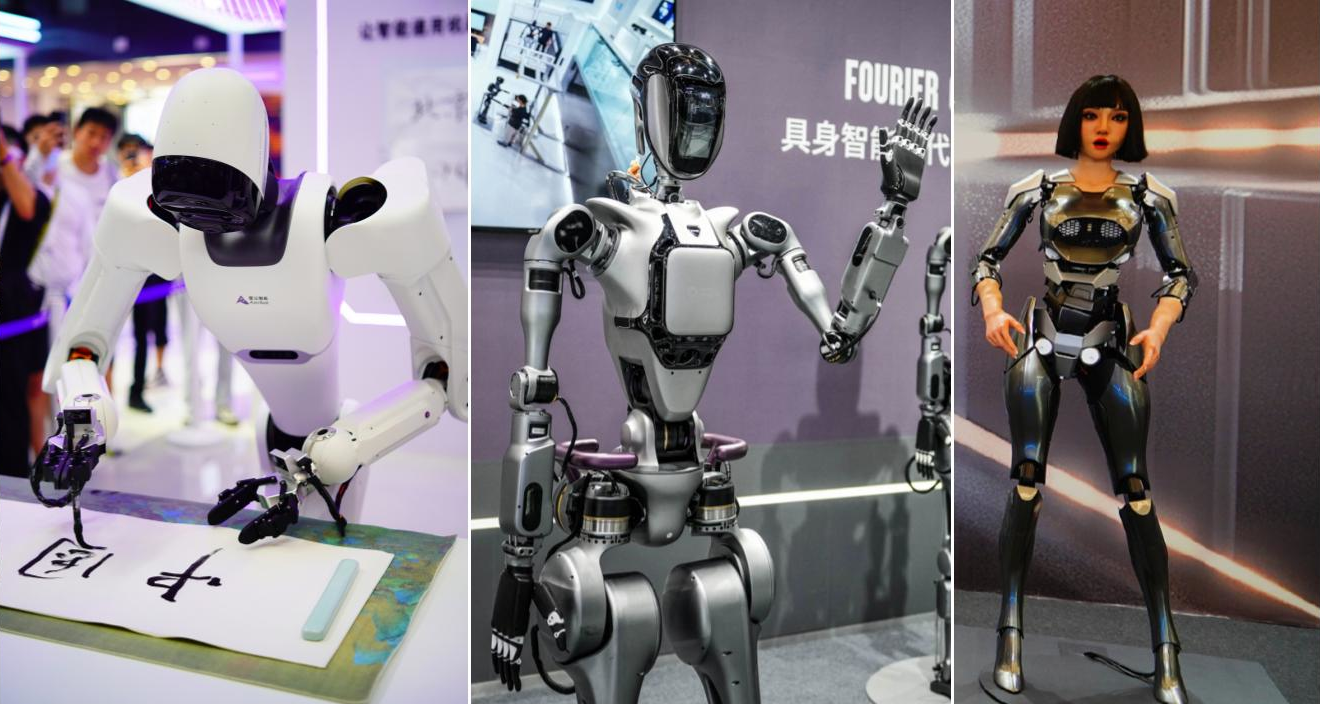
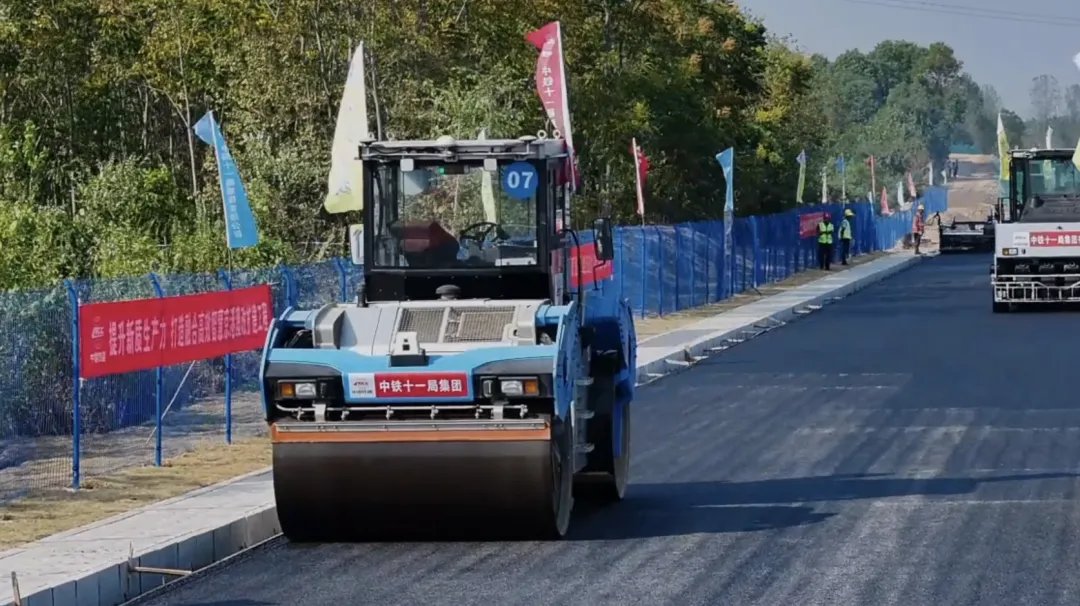
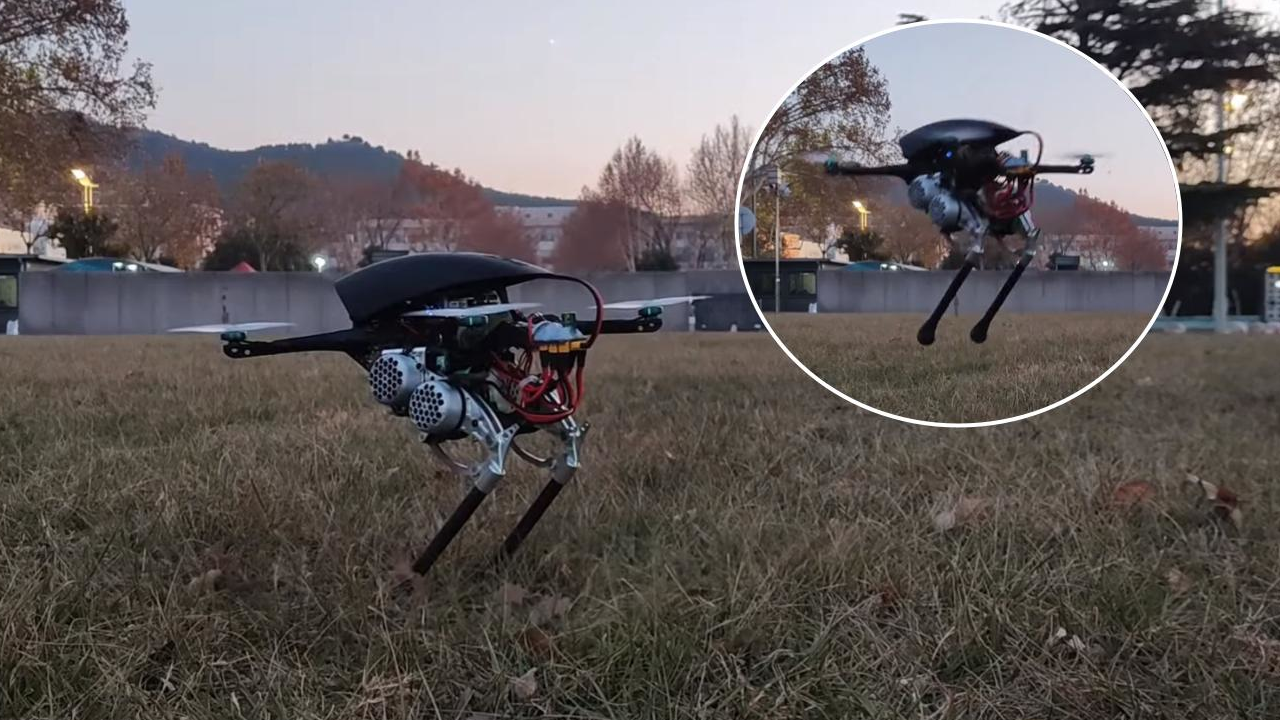
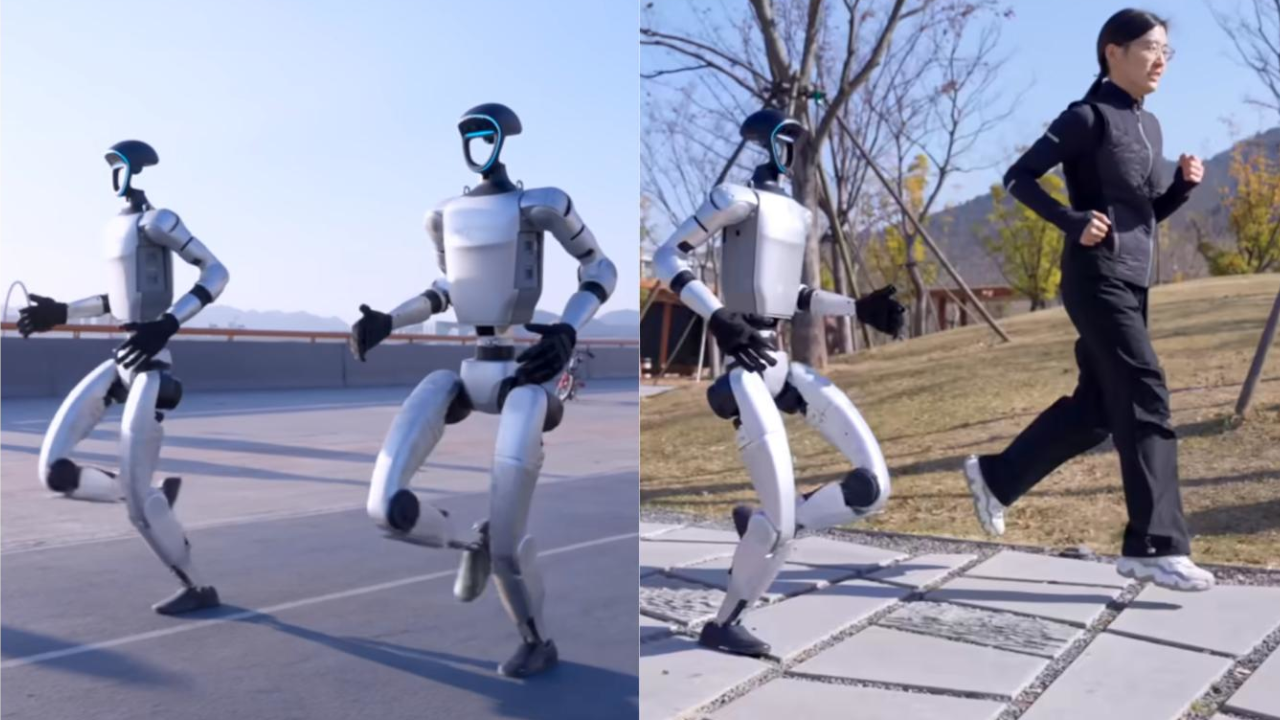
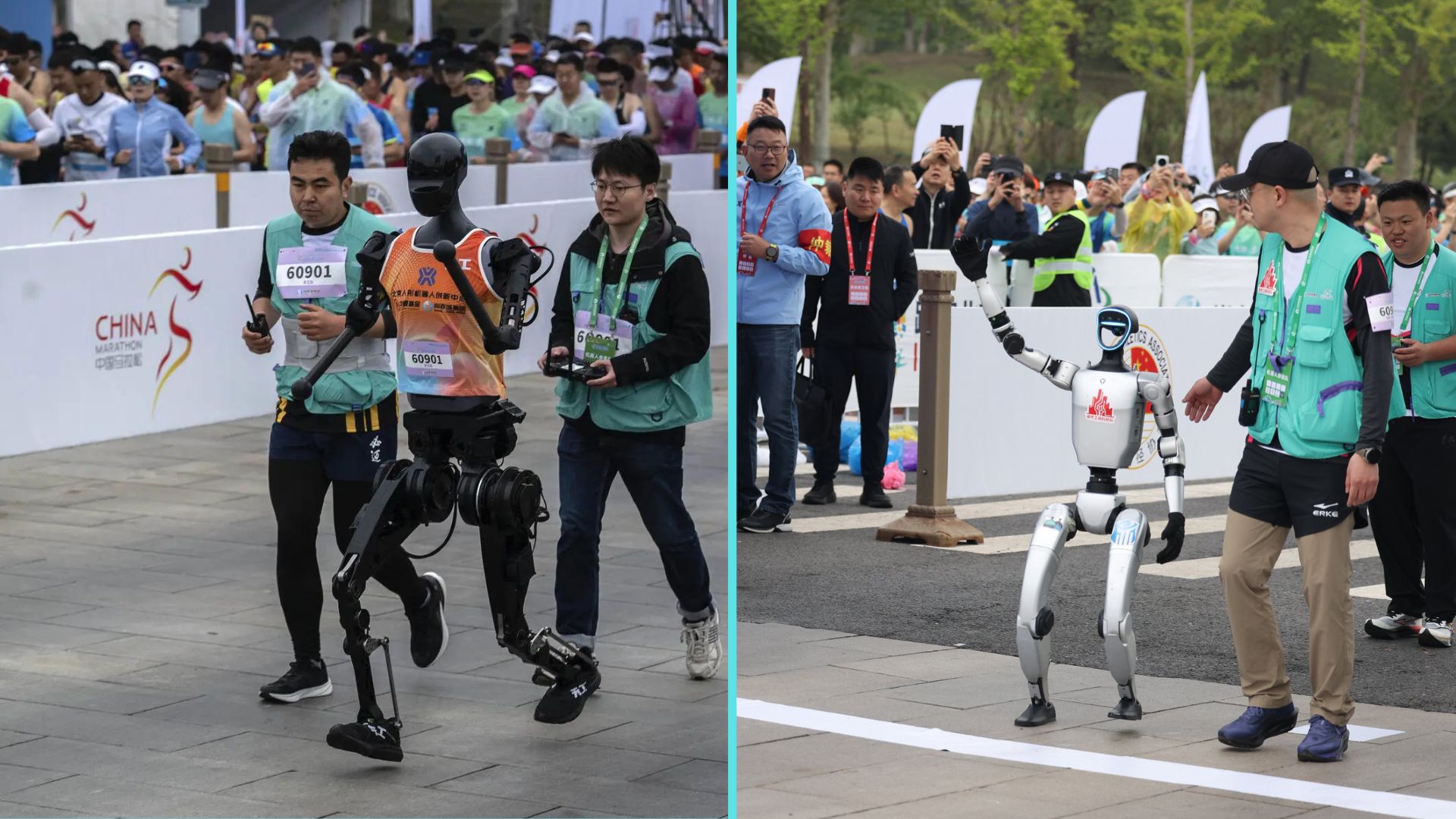
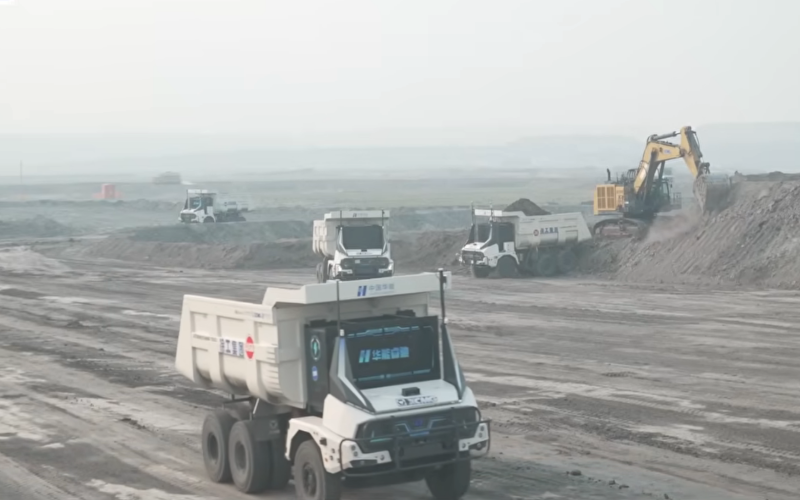
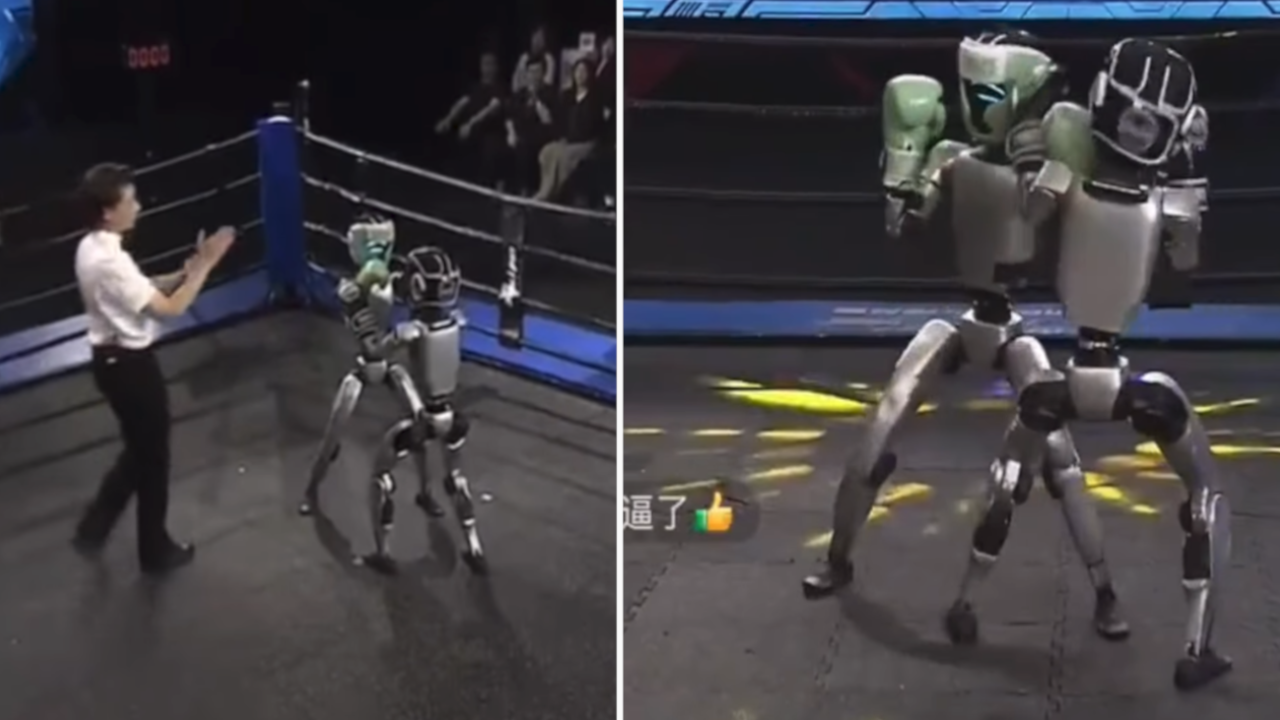
The accomplishment highlights China's rapid advances in autonomous systems and unmanned robotics, particularly in the development of coordinated swarms operating across land, air, and maritime domains. After demonstrating increasingly sophisticated formations involving large numbers of robots and aerial drones, Chinese researchers are now extending these swarm-operation capabilities into the underwater environment.
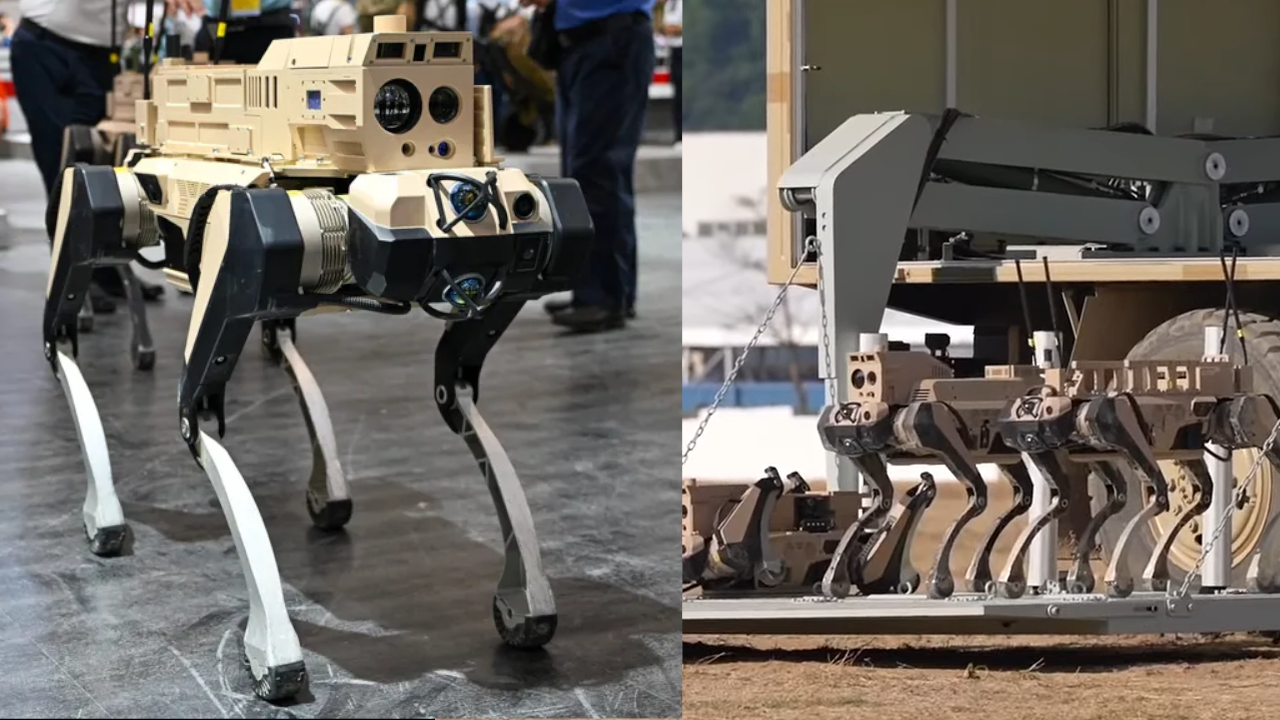
The significance of such technologies extends beyond civilian and scientific applications. Military organizations around the world are increasingly interested in swarm warfare concepts that employ large numbers of autonomous platforms operating on land, at sea, and in the air. By coordinating many low-cost unmanned systems, militaries aim to achieve greater operational effects while reducing overall costs and risk to personnel.
Related Articles