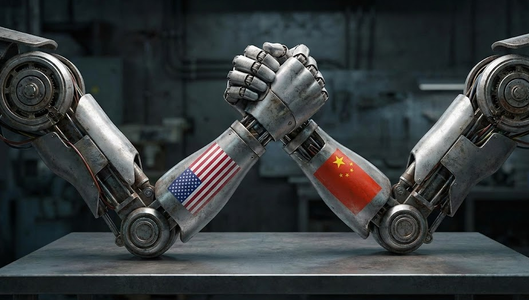
Nvidia CEO Jensen Huang recently stated that the United States is leading China in artificial intelligence by a mere nanosecond. Shortly after, Google DeepMind CEO Demis Hassabis suggested that the American advantage sits at roughly six months.
However, a deeper look into the details of this heated race reveals a much more complex picture than simply declaring an outright winner. The competition is no longer taking place on a single track. Instead, it has splintered into various branches and subfields where the two powers frequently trade the top spot.
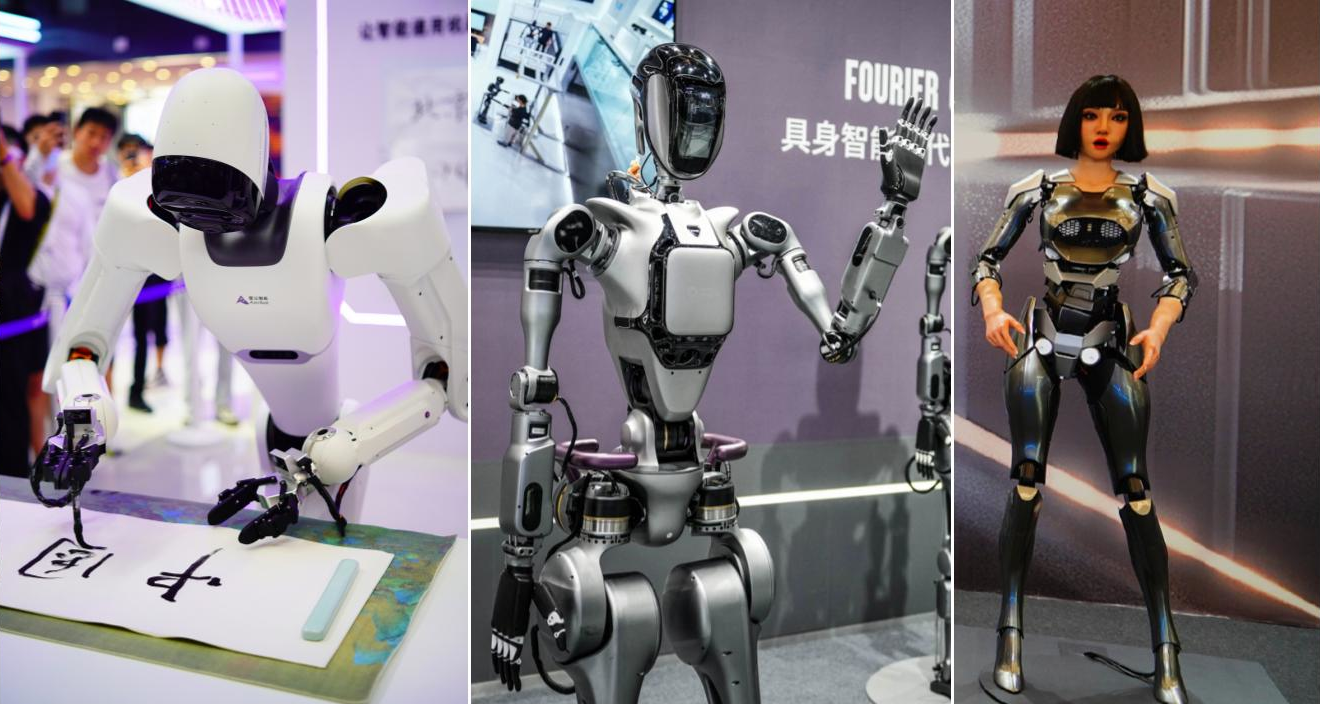
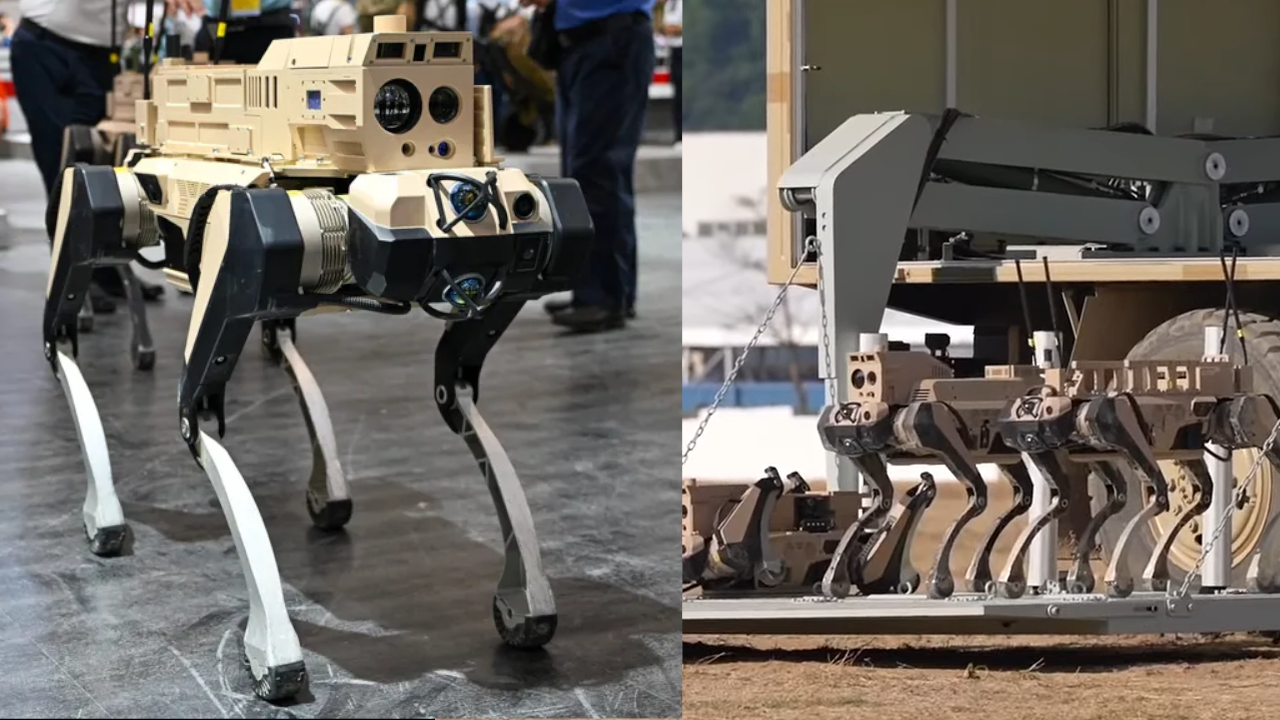
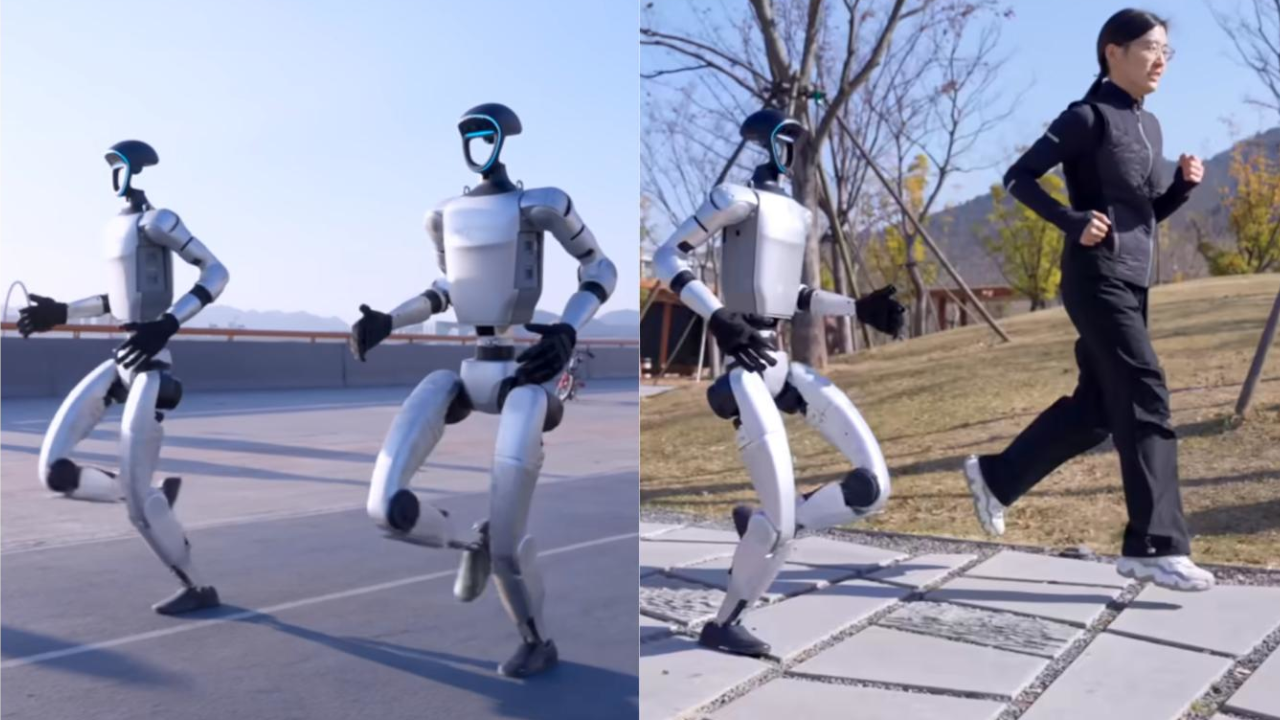
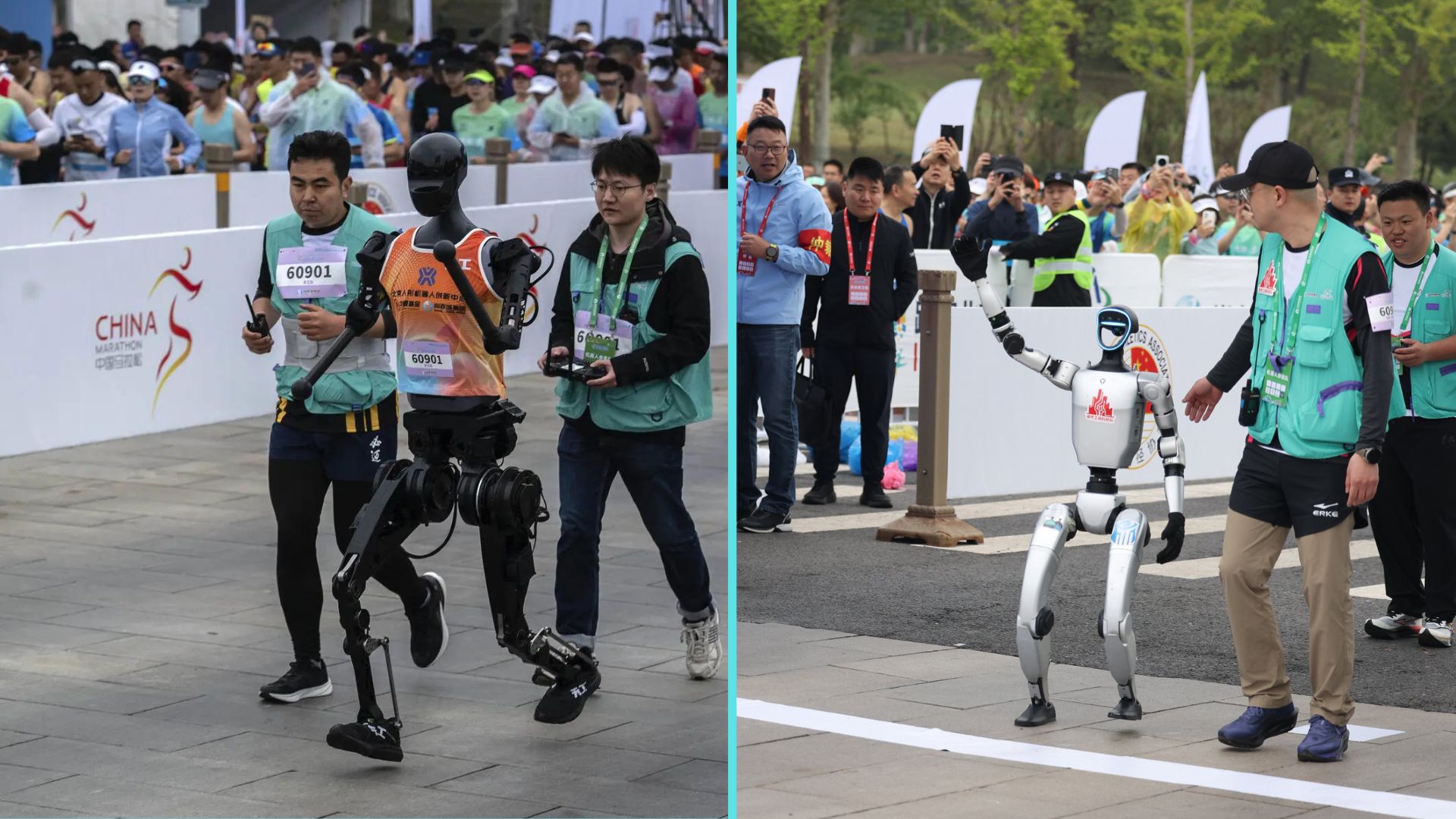
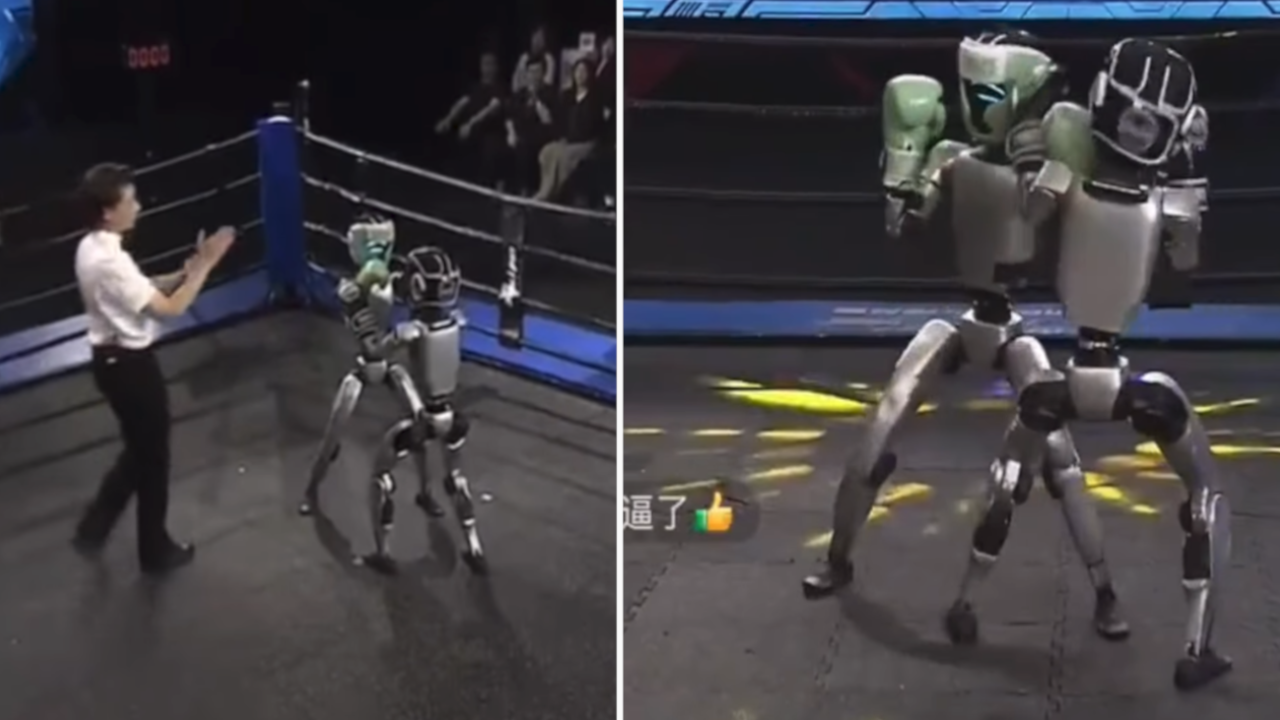
In the realm of humanoid robotics and physical AI, China's supremacy is crystal clear. This dominance is evident in the remarkable kinetic capabilities and mechanical performance of its robots, as well as the rapid manufacturing and cost reduction driven by Chinese companies like Unitree and UBTECH. Western companies like Boston Dynamics, Tesla, and Figure AI are certainly attempting to compete by integrating large vision-language models to develop the cognitive brains of these robots. Nevertheless, Chinese ingenuity in engineering the robotic body, developing smart models to pilot it expertly, and deploying these machines across factories on a massive scale remains an undeniable reality.
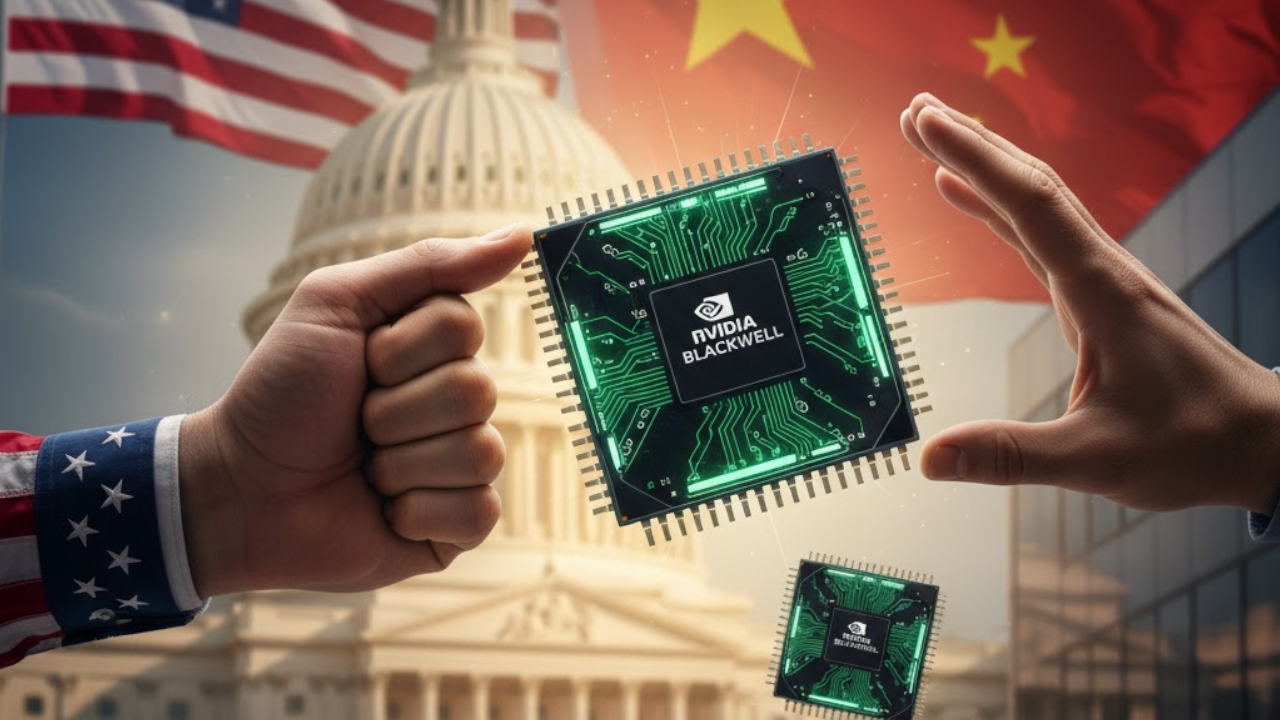
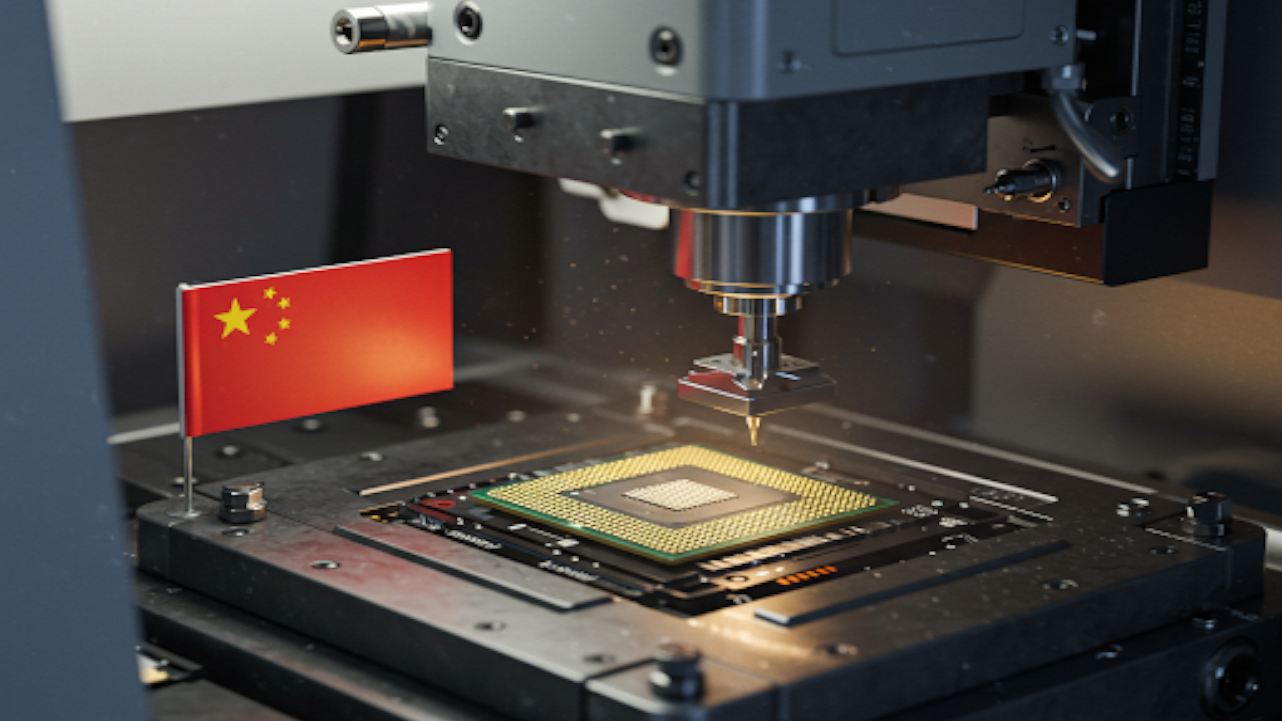
On the hardware front, the United States still maintains its lead in designing highly efficient and powerful semiconductors through tech giants like Nvidia and AMD. Yet, a closer analytical look reveals that this advantage is by no means purely American. This industry relies on a highly complex global supply chain, starting with lithography machines from the Netherlands' ASML, moving through British architectural designs by ARM, and ultimately culminating at TSMC's fabrication plants in Taiwan, which handle the actual manufacturing. This makes American dominance in this sector heavily dependent on broad international alliances that Washington simply cannot afford to lose.
Moving over to the arena of large language models and video-audio generation, we find ourselves facing a fierce rivalry that makes it impossible to definitively name a frontrunner. Today, everyone is standing in roughly the same place. One company might dominate the scene for a few short weeks, only to be overtaken by a rival releasing a superior model. For instance, a video generation model like Seadance 2.0 might emerge to prove its superiority over everything that came before it. However, this edge is strictly temporary and does not settle the conflict; just a few days later, Google might roll out an update to its Veo model, or OpenAI might launch Sora, instantly reclaiming the lead.
This constant trading of places confirms that AI is not a sprint with a clear finish line, but rather an open-ended technological marathon. Each country possesses structural strengths that make it a pioneer in a specific niche. Ultimately, this indicates that the future will not be monopolized by a single superpower, but will instead be shaped by this ongoing push-and-pull between American computational power and Chinese manufacturing and applied efficiency.